Upper-Air Observations and Radiosonde Data Assurance and Quality Control

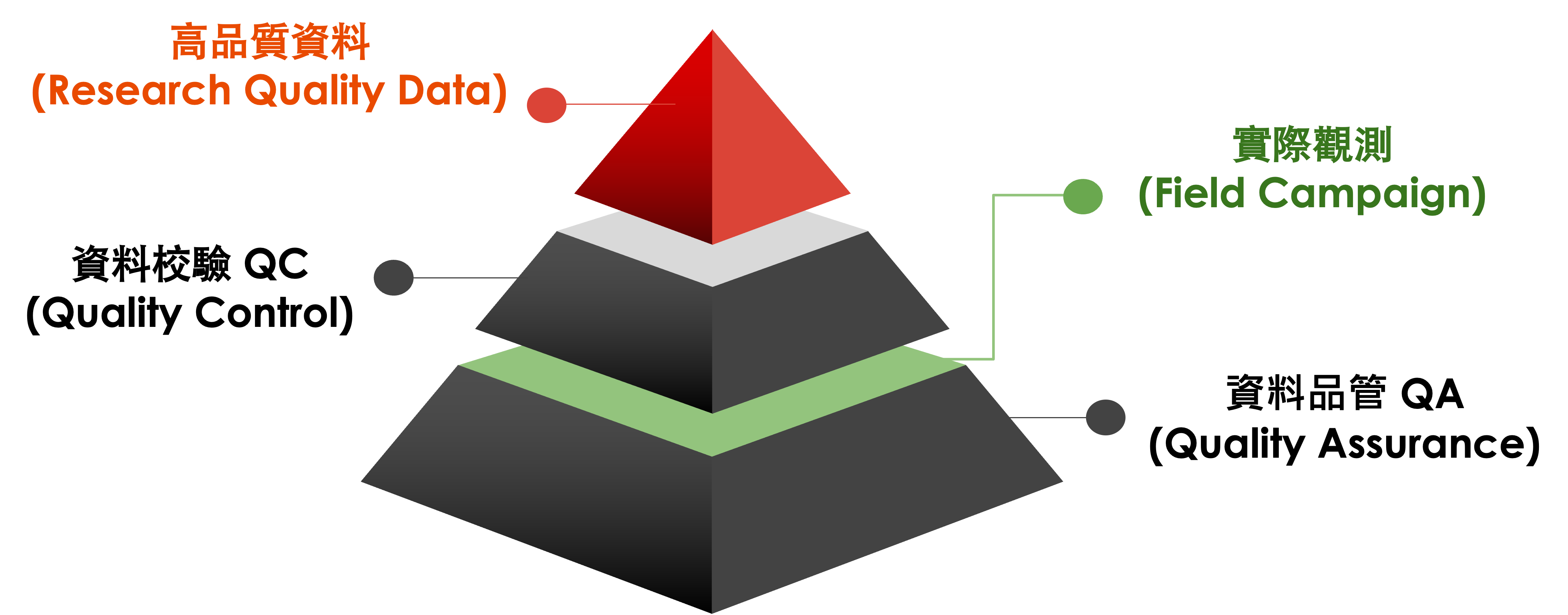
Radiosondes remain one of the most direct ways to observe the vertical structure of the atmosphere. Accurate profiles of temperature, humidity, and wind are essential for diagnosing convective environments, evaluating numerical models, and building reliable climate records. Yet raw soundings carry instrument- and platform-dependent errors, such as solar radiation biases in temperature and humidity sensors. Rigorous quality assurance and quality control (QA/QC) is therefore a prerequisite for turning field observations into research-grade datasets.
This research develops and evaluates QA/QC and correction methods for upper-air observations, from large international field campaigns to new low-cost radiosonde systems designed for high-frequency sampling.
DYNAMO/CINDY/AMIE
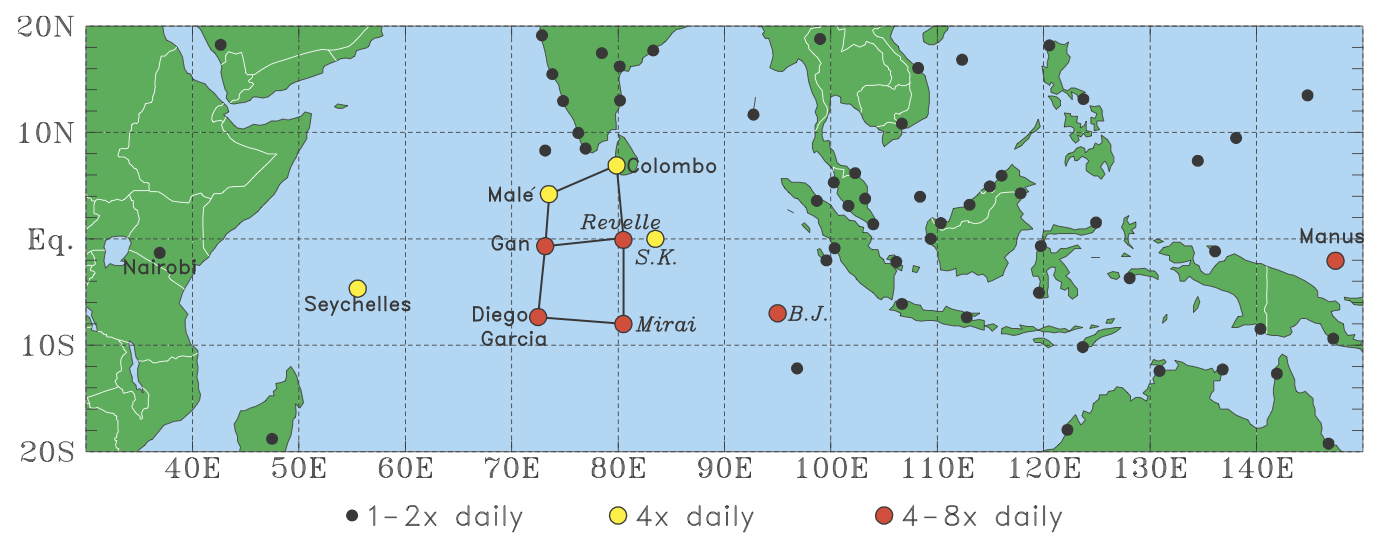
The DYNAMO upper-air network spanned the tropics from eastern Africa to the western Pacific and collected nearly 26,000 soundings between October 2011 and March 2012. Post-field processing applied multiple levels of quality checks and corrections for issues including daytime humidity dry bias, surface baseline errors, ship deck heating, and artificial dry spikes in slow-ascent soundings. Particular attention was given to humidity correction and its validation.
Building on this dataset, a comparison of the proprietary DigiCORA and the open-source GRUAN humidity corrections for Vaisala RS92 radiosondes at tropical sites showed that the two algorithms are statistically consistent at most levels. Corrected precipitable water also agreed well with independent ground-based microwave radiometer estimates. These QCed observations later supported studies of quasi-2-day (Q2D) convective disturbances over the equatorial Indian Ocean.
Storm Tracker
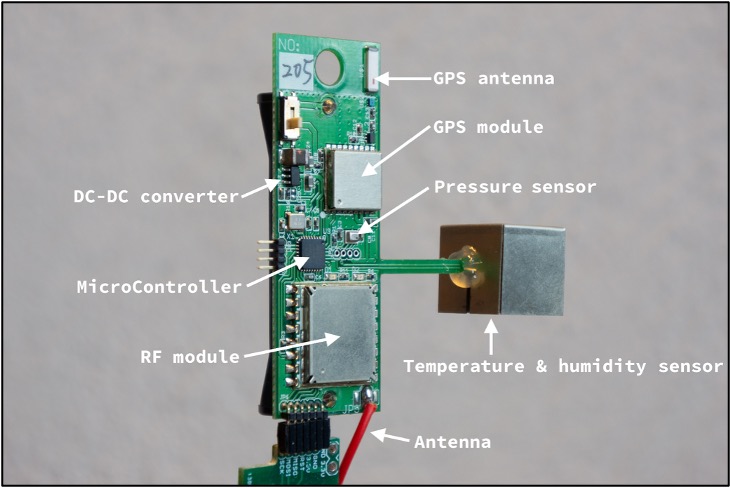
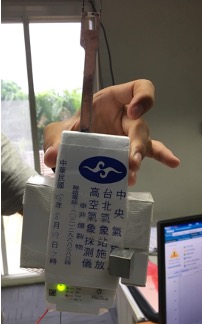
The Storm Tracker is an ultra-lightweight (~20 g including battery) radiosonde developed in 2016 by the Department of Atmospheric Sciences at National Taiwan University. Its low cost and multi-channel receiver allow multiple sondes to be tracked simultaneously, enabling high-temporal-resolution profiling of the lower atmosphere during severe weather. Initial co-launches with the Vaisala RS41-SGP showed highly consistent pressure and wind measurements. A daytime warm bias from solar heating was identified and mitigated with a dedicated metal shield.
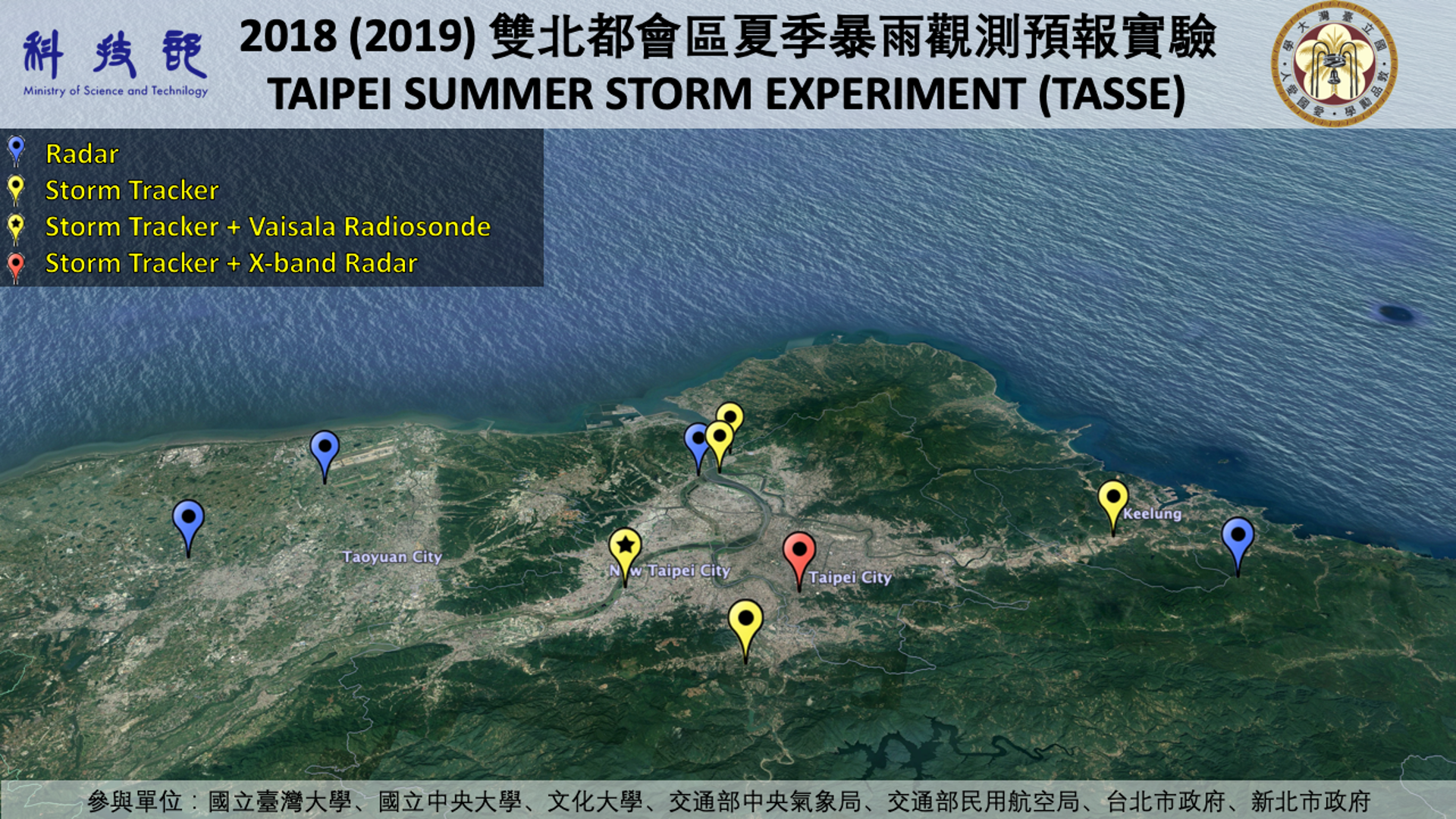
TASSE
More than one thousand co-launches with the RS41-SGP were conducted in field campaigns across Taiwan from 2016 to 2022, providing over a million comparable observations. From these, correction methods were developed for Storm Tracker temperature and humidity. After correction, root-mean-square differences relative to the RS41 are about 1 K for temperature and 7% for relative humidity, decreasing to 0.66 K and 4.61% below 700 hPa, with wind errors of about 0.05 m s⁻¹. These results show that the Storm Tracker can complement operational radiosondes for high-resolution observations of the lower troposphere, as deployed in campaigns such as TASSE (2018) and PRECIP (2021).
Research topics include
- Field-campaign sounding datasets: post-field processing, quality checks, and dataset development.
- Humidity bias correction and validation: evaluating correction algorithms against independent precipitable water estimates from GPS and microwave radiometers.
- Low-cost radiosonde calibration: characterizing and correcting sensor biases through co-launches with reference radiosondes.
- Observation-driven science: applying quality-controlled soundings to tropical convective variability and severe storm environments.